The Future of Residential Styling: Innovative Modern Roof Lanterns You Must to View
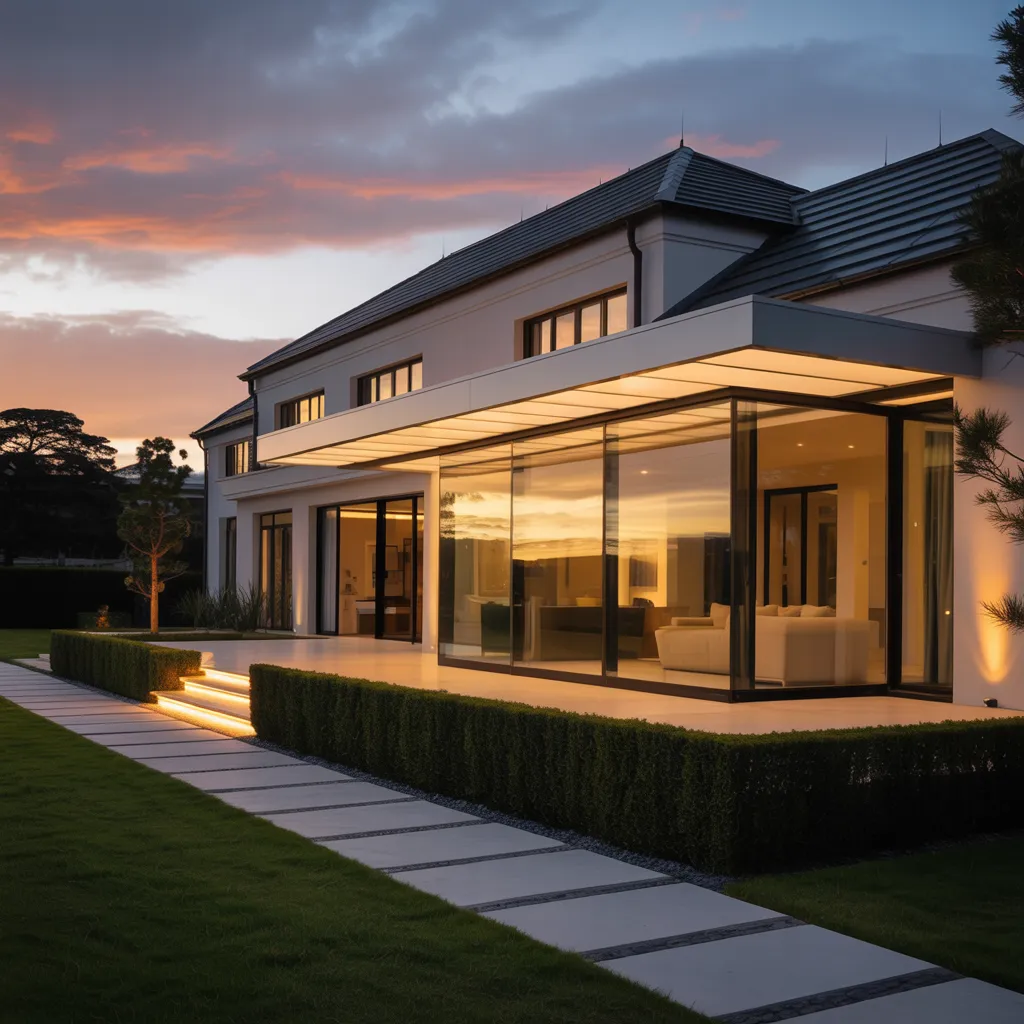
The future of home aesthetics is more and more influenced by innovative modern roof lanterns. These design elements amplify natural light and bring in smart technology for improved climate control. As tastes evolve, geometric shapes and environmentally conscious materials rise to prominence, suggesting a transition toward wellness-focused environments. Recognizing the complex benefits and applications of roof lanterns can transform how spaces are utilized. What implications do these technological advances have for the homes of tomorrow?
The Positive Aspects of Current Roof Lanterns
Contemporary roof lanterns provide numerous benefits that enhance both the visual appeal and functionality of environments. These architectural elements serve as eye-catching focal points, enabling natural light to flood interiors, which can create a sense of openness and warmth. By improving daylight penetration, roof lanterns reduce dependence on electric lighting, thereby promoting power conservation.
Furthermore, they can enhance air circulation when created with operable features, contributing to a more healthy indoor environment. The application of premium substances ensures durability and minimal upkeep, making roof lanterns a sensible purchase.
Beyond addition to, these elements can improve the overall design of a home, blending seamlessly with various architectural styles. By adding modern roof lanterns, homeowners can benefit from the combined advantages of enhanced aesthetics and enhanced energy efficiency, making them a common selection in current architectural trends.
Stunning Style Trends for Roof Lanterns
As homeowners more and more want to combine aesthetics with functionality, innovative design trends for roof lanterns are emerging to meet these demands. One prominent trend is the use of geometric shapes, which adds a modern touch to traditional designs. These angular structures not only enhance aesthetic appeal but also increase daylight penetration. Additionally, biophilic design elements are becoming increasingly popular, incorporating organic elements like wood and stone to create a seamless connection between indoor and outdoor spaces.
Another emerging pattern is the incorporation of intelligent systems, permitting for adjustable illumination and climate control, improving both user convenience and energy efficiency. Color customization selections are also becoming trendy, permitting property owners to tailor their lanterns to match particular design styles. Finally, minimalist designs are on the upswing, emphasizing streamlined forms and simplicity, which connect with modern sensibilities while preserving practicality. Together, these trends are redefining how roof lanterns are viewed and utilized in modern residential architecture.
Picking the Best Roof Lantern for Your Living Space
How can property owners choose the ideal roof lantern that complements their unique style and functional needs? First, they should consider the architectural style of their home. A modern lantern might suit a contemporary space, while a more traditional design could improve a classic home. Next, evaluating the purpose is significant; whether for natural light, ventilation, or aesthetic appeal, the chosen lantern should fulfill specific requirements.
Size remains a vital role. A larger lantern may create a impressive focal point, whereas a petite one might integrate seamlessly into the existing structure. Homeowners should review their local climate, as well, since this can impact material choices and insulation needs. Finally, it's critical to keep energy efficiency in mind; opting for double-glazed options can enhance insulation while reducing energy costs. By weighing these factors, homeowners can assuredly choose a roof lantern that boosts both form and function in their living space.
State-of-the-art Resources in Roof Lanterns
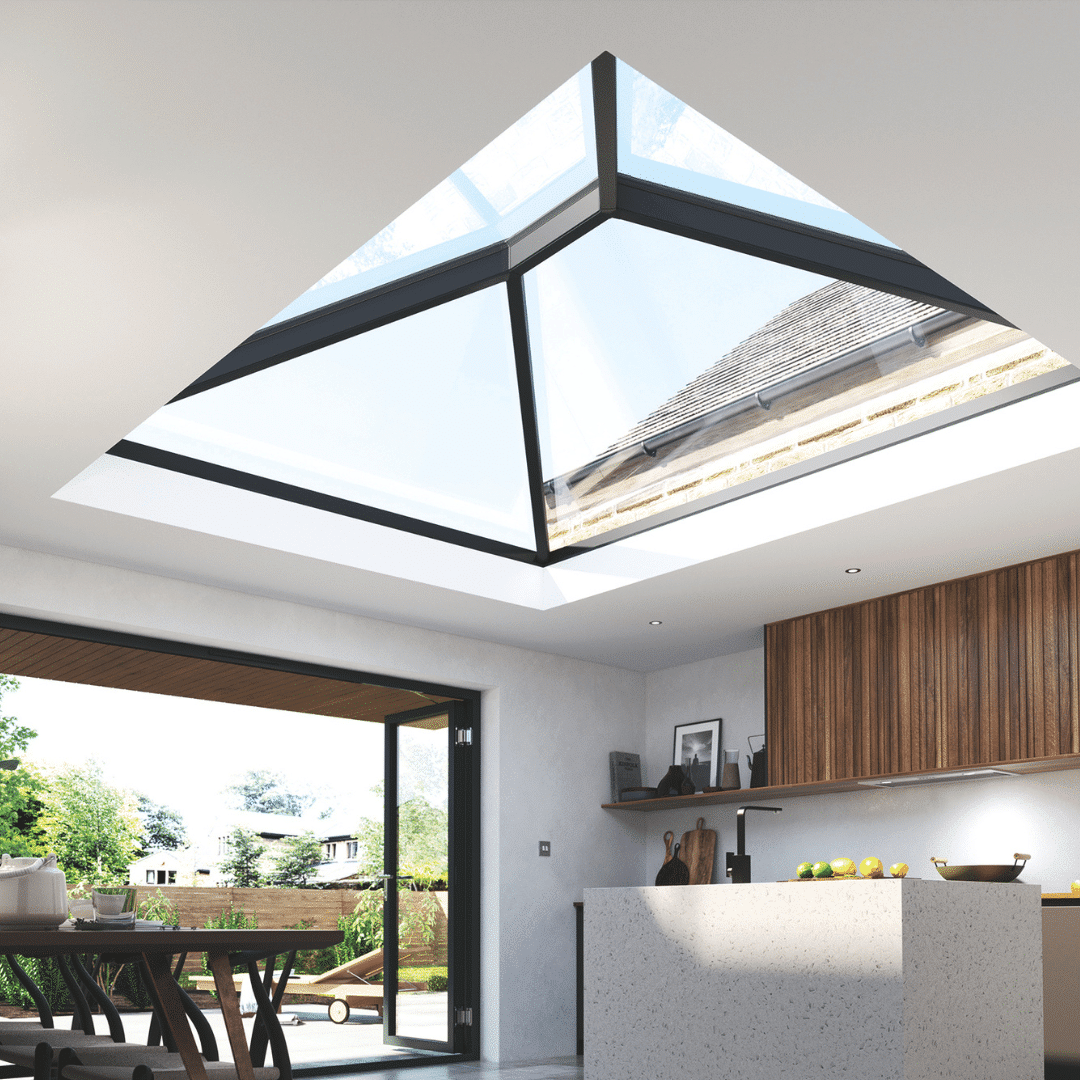
A range of innovative materials are transforming the design and functionality of roof lanterns. Modern roof lanterns increasingly employ materials such as structural glass, which offers enhanced durability and clarity, allowing for maximized natural light. The use of aluminum in frames delivers a lightweight yet robust structure, capable of withstanding various weather conditions while minimizing maintenance needs. Additionally, polycarbonate panels are gaining popularity due to their impact resistance and energy efficiency, making them a viable alternative to traditional glass.
Moreover, advancements in coatings and finishes, such as auto-cleaning or solar-reflective options, are enhancing the durability and efficiency of these installations. These materials not only enhance aesthetic appeal but also improve the overall usage experience, making sure that roof lanterns are both functional and elegant. As these developments continue to advance, they are setting new standards in the domain of home design, particularly in natural light integration.
Boosting Power Consumption Reduction With Roof Lanterns
Roof lanterns substantially boost energy conservation in modern homes by improving natural light and decreasing reliance on artificial lighting. By allowing sunlight to permeate living spaces, these structural components reduce the need for electric lighting during the day, producing lower energy consumption. The thoughtful arrangement of roof lanterns can brighten entire rooms, creating luminous, welcoming environments without the associated costs of electrical illumination.
Moreover, a number of up-to-date roof lanterns are designed with power-saving glazing, which helps sustain indoor temperatures by reducing heat loss. This characteristic contributes to overall economical benefits, as decreased heating or cooling demands can substantially lower utility bills. Additionally, the boosted natural light can elevate residents' well-being, promoting a healthier living environment. To wrap up, roof lanterns serve not only as aesthetic enhancements but also as practical solutions for energy efficiency in modern home design.
Resourceful Options for Enhancing Your Home with Roof Lanterns
Natural light not only enhances energy performance but also opens up a world of creative possibilities for home design. Roof lanterns function as impressive architectural features that can revolutionize any space. In living areas, they can establish a bright focal point, improving the overall ambiance while allowing for an clear view of the sky.
In kitchens, roof lights brighten working areas, keeping them more inviting for family gatherings and culinary creations. They can also be used in bedrooms, where they craft a calm atmosphere, suited for decompression.
Homeowners can integrate roof lanterns into outdoor spaces, such as patios or garden rooms, erasing the boundary between indoor and outdoor living. Additionally, strategically placing roof lanterns above staircases or hallways can bring warmth and dimension to otherwise dark areas. Ultimately, the creative application of roof lanterns can redefine how natural light is embraced in modern homes.
Important Suggestions for Roof Lantern Care
Maintaining roof lanterns is key for preserving their appearance and functionality. Regular cleaning is vital; homeowners should use a soft cloth and mild detergent to remove dirt and grime from the glass surfaces. It is advisable to avoid abrasive materials that can scratch the glass. Additionally, inspecting the seals and frames periodically guarantees that there are no leaks or structural faults. If any damage is found, prompt repairs can prevent further deterioration.
Moreover, removing around the lantern from debris, such as leaves or branches, helps maintain proper airflow and drainage. It is wise to check for signs of wear on any electrical systems, including lights or wiring. Finally, preventative maintenance, particularly before winter, can defend the roof lantern from rough weather. Following these tips will keep roof lanterns looking stunning while boosting their operational advantages.
Frequently Asked Questions
How Much Do Modern Roof Lanterns Usually Cost?
Contemporary roof lanterns often total between £500 and £2,500, reliant on size, material, and design complexity. Installation expenses could also differ, influencing the final budget for review article homeowners considering this architectural improvement.
Is it feasible to fit skylights on established roofs?
Yes, roof lanterns may be installed on existing roofs, provided the structure can bear the extra weight. Professional assessment is advised to guarantee proper placement and adherence with local building regulations for ideal performance and safety.
How Should You Position Roof Lanterns for Maximum Results?
Facing south represents the optimal orientation for roof lanterns, maximizing sunlight exposure throughout the day. This position enhances natural light, improves energy efficiency, and creates a warm, inviting atmosphere within the living space underneath.
Are skylight installations appropriate for every climate type?
Roof lanterns are broadly well-suited for various climates, though factors such as insulation, ventilation, and environmental protection are essential. Proper installation assures they excel in both hot and cold environments, augmenting natural light and aesthetics.
What Effect Do Roof Lanterns Have on Home Resale Value?
Roof lanterns can constructively affect home resale value by maximizing bright light and aesthetic appeal. Their modern design often appeals to buyers, potentially resulting in stronger bids and quicker sales in competitive real estate markets.
Comments on “Roof Lanterns: Elegant Architectural Daylight Solutions for Homes”